Performance Nutrition for Leaders
Nutrition for Cognitive Performance, Focus, and Stress Resilience in Leaders
Transform to Perform Coaching offers performance nutrition for business owners and leaders with Registered Nutritionist Nicky Anstey, in person across Surrey and the South East and online across the UK and internationally. What you eat is directly affecting how you think, decide, and lead. Can you honestly say that your diet is optimising your performance?
- Multi Award-Winning Registered Nutritionist and Leadership Rewiring Specialist
- Executive Performance Coach, Master NLP Coach & Master Hypnotherapist
- 1,000+ Clients Transformed or Nutritionally Optimised Since 2004
The short answer
What is performance nutrition for business owners and leaders?
Work performance nutrition targets the dietary and physiological factors behind a business owner’s focus, memory, concentration, decision quality, stress resilience and energy. Registered Nutritionist and Executive Psychotherapist, Nicky Anstey, addresses blood glucose stability, neurotransmitter precursors, inflammation and gut health, then integrates that work with the REWIRE Method™ so the stress driving those behaviours and depletions are addressed too.
About this work
What work performance nutrition for executives involves. The Boost!
Nutrition for cognitive performance in executives addresses the specific dietary and physiological factors that determine the quality of a business owner’s thinking, decision-making, focus, memory, stress resilience, and sustained energy throughout the working day. Nicky Anstey is a Registered Nutritionist and Executive Psychotherapist who integrates evidence-based nutritional science into the REWIRE Method™, her trademarked coaching process, treating the physiology that supports cognitive performance with the same rigour she brings to the neurological rewiring work.
If you are experiencing brain fog, post-lunch crashes, difficulty sustaining focus on complex tasks, cognitive fatigue by mid-afternoon, or the blunted decision-making quality that comes with chronic stress and poor sleep, this page is about what is causing that and how to address it.

2 minutes
Take the Performance Nutrition Assessment
Tick the options on each page that feel most relevant for you now. There is no wrong answer. For the assessments linked to performance nutrition, anti ageing and weight management, please click through.
Free, and no obligation. Your score is instant once you complete the assessment form
The direct line between nutrition and cognitive performance
Most business owners have an intuitive sense that what they eat affects how they feel. Fewer have a clear picture of the specific mechanisms by which nutrition affects cognitive performance, and therefore a clear basis for making the changes that would actually produce a difference.
Here are the most significant mechanisms.
Blood glucose regulation and decision quality. The brain requires a steady supply of glucose to function optimally. It does not require a high-carbohydrate diet: it requires stable blood glucose without the spikes and crashes produced by refined carbohydrates, skipped meals, and the coffee-on-an-empty-stomach routine that many business owners rely on. Blood glucose variability directly affects concentration, impulse control, and emotional reactivity. The business owner who makes their worst decisions in the late afternoon, or who becomes significantly more reactive under pressure than the situation warrants, is frequently experiencing the cognitive effects of blood glucose dysregulation.
Neurotransmitter precursor availability. Dopamine, serotonin, noradrenaline, and acetylcholine, the neurotransmitters that govern motivation, mood, attention, and memory, are synthesised from dietary amino acids. Their synthesis requires specific co-factors including B vitamins, zinc, iron, and magnesium. Chronic stress depletes these nutrients at an accelerated rate. The business owner who has been running high-pressure for years and has not specifically addressed these depletions is likely operating with compromised neurotransmitter synthesis, which shows up as reduced motivation, flattened mood, poorer working memory, and reduced cognitive speed.
Chronic inflammation and brain function. Chronic stress promotes a low-grade inflammatory state that directly impairs cognitive function: reducing processing speed, impairing memory consolidation, and increasing the cognitive noise that makes sustained focus difficult. The dietary pattern has a significant effect on this inflammatory baseline. An anti-inflammatory dietary approach, rich in omega-3 fatty acids, polyphenols, and fibre, and low in ultra-processed food, is one of the most direct nutritional levers available for improving cognitive performance in the chronically stressed executive.
The gut-brain axis. Approximately 90% of serotonin is produced in the gut. The enteric nervous system (the gut’s own nervous system) communicates bidirectionally with the brain through the vagus nerve. Chronic stress disrupts gut microbiome composition, increases intestinal permeability, and impairs the gut-brain signalling that contributes to mood regulation, cognitive clarity, and emotional resilience. Restoring gut health is one of the most significant nutritional contributions to cognitive performance in the high-pressure business owner.
Stop Waiting For It To Pass On Its Own
No-one can change outdated wiring by simply learning or thinking even more about it. Let us rewire it to change it for good
Book Your Reset CallSpecific nutritional strategies for work performance
Protein timing is one of the highest-leverage single changes for cognitive performance in business owners.
Caffeine management. Caffeine is the most widely used cognitive performance tool in the business owner population, and the most widely misused. Is this you? Specific caffeine timing and dosing guidance is part of the work performance nutrition programme.
Omega-3 fatty acids. The brain is approximately 60% fat by dry weight, and the quality of dietary fat directly affects neurological cell membrane fluidity and function. Omega-3 fatty acids, specifically EPA and DHA from oily fish or high-quality supplementation, are the most consistently supported nutritional intervention for cognitive function, mood regulation, and the reduction of the inflammatory baseline that impairs performance under stress.
Hydration and cognitive performance. Mild dehydration, as little as 1-2% body weight, produces measurable impairments in attention, short-term memory, and executive function. Business owners who consume primarily coffee through the morning and are not matching that caffeine-driven diuresis with adequate water intake are frequently mildly dehydrated during their most cognitively demanding hours.
Targeted supplementation for stress depletion. The specific nutritional depletions most significant for cognitive performance under chronic stress are addressed. Individualised guidance based on your specific situation is part of the programme.
How the work moves
How work performance nutrition fits within the REWIRE Method™
The nutritional work described on this page is most effective when it is integrated with the neurological rewiring work of the REWIRE coaching programme. The reason is straightforward: the primary driver of the physiological depletions affecting cognitive performance is chronic stress, and chronic stress has its root in the unconscious wiring patterns producing it.
Nutritional support addresses the physiological consequences of that wiring. The REWIRE Method™ addresses the wiring itself. Together, they produce changes in cognitive performance and energy that neither produces as effectively in isolation.
For clients whose primary presenting issue is cognitive performance rather than the broader pattern work, nutritional consultation as a standalone service is available. The Reset Call is the right place to establish what the appropriate structure is for your situation.

People Nicky has worked with
-
 Joe Wicks – The Most Altruistic Business Owner Ever
-
 People Pleasers feel the affects of others poor behaviour the most
-
 Interviewing a Dragon – Sara Davies MBE, "Riddled with Imposter Syndrome starting Dragons' Den"
-
 Interviewing Sarah Willingham – Ex Dragon, Entrepreneur, Founder and CEO of Nightcap and Investor in the Craft Gin Club
-
 Davina McCall – all round inspirational ball of energy
-
 Jason Graystone – Trader and YouTube Expert
-
 Dr Julie Smith – Tik-Tok Psychotherapist & Best Selling Author
-
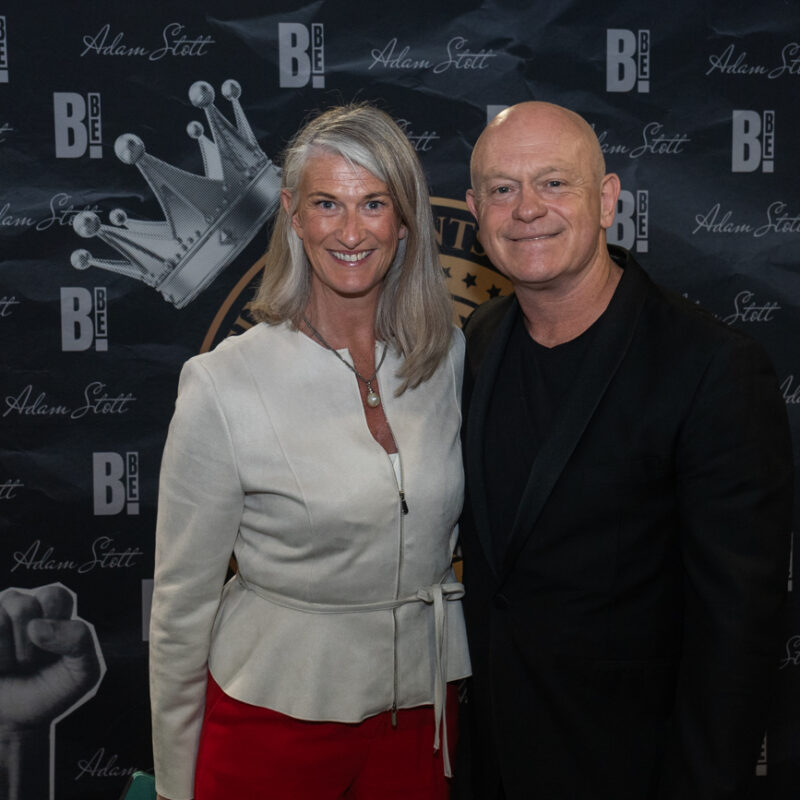 Ross Kemp – Hard Man on and off screen
-
 David J.P. Phillips – Most Viewed Ted Talk Speaker Ever
-
 Levi Roots – "Reggae Reggae Sauce Multi-Millionaire!
-
 Jessica Cunningham – Belief Coding and Apprentice star
-
 Lee McQueen & Sian Gabbion – Apprentice Winners
What Clients Say
-
“I was in a place where I was confused by all the work that was happening, and that was leading to more of a state of burnout… where I’m at now is having real clarity about my own personal development, my team’s development, my own executive presence.”
-
“Done an absolutely fantastic job. Moved the needle tremendously, given me food for thought and fundamentally allowed me to look at things in the bigger context and ask questions before moving forward.”
-
“Nicky helped me let go of limiting beliefs and lead with confidence – personally and professionally. Truly life-changing.”
How You Can Work with Nicky
Nicky works with a small number of clients at any one time, so every engagement gets her full depth of attention. There are several ways to begin.
Rewire Coaching
The signature one to one programme, built on the trademarked Rewire Method™. Deep work at the root, not the surface.
Executive Coaching
For founders, directors and senior leaders who refuse to pay for success with their health or relationships.
Personal Relationship Coaching
For high leaders who have spent so much time providing for the family, they become distant from who they are doing it for. So its about rewiring them to gain balance and reconnect.
Leadership Coaching
For leaders who feel the weight of every decision and want to lead from a steadier place.
Change the Beliefs and Patterns at the Root
A focused, no-obligation conversation about what is driving the pressure in your situation, and what rewiring it would involve. You will leave with clarity either way.

The evidence
What the research says
Does dehydration affect focus at work?
Yes, and attention is the cognitive domain most affected. A meta-analysis of 33 studies by Matthew Wittbrodt and Melinda Millard-Stafford, published in Medicine & Science in Sports & Exercise in 2018, found dehydration impaired attention with an effect size of -0.52, a larger pooled effect than for executive function (-0.24) or reaction time (-0.10). Impairment was greater (p = 0.04) in studies where water loss exceeded 2% of body mass (-0.28) than at losses of 2% or less, where the effect was smaller and its confidence interval reached zero (-0.14, 95% CI -0.27 to 0.00).
Does breakfast choice change cognitive performance later in the day?
The pooled evidence leans that way, but weakly and only after a delay. Gaylor, Benton, Brennan and Young, writing in Neuroscience & Biobehavioral Reviews in 2022, pooled 15 controlled trials in adults aged 20 to 80. They found no effect in the first 119 minutes after breakfast. After 120 minutes, immediate episodic memory was better following a low glycaemic load breakfast than a high one, though the result sits on the threshold of significance (SMD 0.16, 95% CI -0.00 to 0.32, p = 0.05).
Is the mid-afternoon slump caused by lunch?
Only partly. Timothy Monk, writing in Clinics in Sports Medicine in 2005, describes the post-lunch dip as a real phenomenon rooted in human biology, one that can occur even when the person has had no lunch, and which he suggests may be linked to the 12-hour harmonic in the circadian system. What you eat still makes a difference to how hard it lands.
“It is certainly exacerbated by a high-carbohydrate lunch”
Timothy H. Monk, “The post-lunch dip in performance”, Clinics in Sports Medicine, 2005
How much of the body’s serotonin is actually made in the gut?
Between 90% and 95%. Wei, Singh and Ghoshal, writing in the Journal of Neurogastroenterology and Motility in 2022, report that enterochromaffin cells synthesise and secrete 90 to 95% of the serotonin in the human body. Those cells are a subset of the enteroendocrine cells, which make up less than 1% of the gut epithelium.
A note on medical care. Nutritional coaching supports cognitive performance. It does not diagnose or treat any medical or mental health condition. If low mood, anxiety or persistent fatigue is affecting you, please speak to your GP or a registered clinician. If you take prescribed medication, check with your GP or pharmacist before starting any supplement. In the UK, Samaritans is free to call on 116 123, day or night.
Sources
- Wittbrodt MT, Millard-Stafford M. “Dehydration Impairs Cognitive Performance: A Meta-analysis.” Medicine & Science in Sports & Exercise, 2018;50(11):2360-2368. PubMed 29933347
- Gaylor CM, Benton D, Brennan A, Young HA. “The impact of glycaemic load on cognitive performance: A meta-analysis and guiding principles for future research.” Neuroscience & Biobehavioral Reviews, 2022;141:104824. PubMed 35963545
- Monk TH. “The post-lunch dip in performance.” Clinics in Sports Medicine, 2005;24(2):e15-23. PubMed 15892914
- Wei L, Singh R, Ghoshal UC. “Enterochromaffin Cells-Gut Microbiota Crosstalk: Underpinning the Symptoms, Pathogenesis, and Pharmacotherapy in Disorders of Gut-Brain Interaction.” Journal of Neurogastroenterology and Motility, 2022;28(3):357-375. PMC9274469
Frequently Asked Questions
-
How quickly can dietary changes affect cognitive performance?
Some changes produce effects within days. Blood glucose stabilisation through improved breakfast protein and reduced refined carbohydrates typically produces a noticeable difference in morning cognitive energy and afternoon stability within one to two weeks. Omega-3 supplementation effects on mood and cognitive clarity typically take six to eight weeks to fully manifest. Gut microbiome changes take three to six months for meaningful improvement. The programme addresses both immediate and longer-term changes.
-
Do I need to follow a specific diet?
No specific dietary template is prescribed. The work is targeted and additive rather than restrictive, focusing on the specific changes most relevant to your situation, your stress profile, and your cognitive performance goals. The aim is the smallest number of changes that produce the largest meaningful improvement, not a wholesale dietary overhaul.
-
How do I know if my cognitive performance is being affected by nutrition?
The clearest markers are: significant variability in cognitive performance through the day (particularly afternoon slumps); the quality of your decision-making correlates with when you last ate; brain fog that is persistent rather than situational; mood variability that follows meal timing; and difficulty sustaining focus that is better on some days than others for no obvious reason. Any of these patterns suggests that the nutritional dimension is a meaningful contributor to your cognitive performance.
-
What is the gut-brain connection and why does it matter for business owners?
The gut-brain axis is the bidirectional communication pathway between the enteric nervous system (the gut’s own nervous system, containing more neurons than the spinal cord) and the central nervous system. Gut health directly affects serotonin availability, vagal nerve signalling, and the systemic inflammatory level, all of which influence mood, cognitive function, and stress resilience. Business owners running chronic high-stress have typically disrupted gut microbiome composition, with direct consequences for cognitive and emotional performance. Restoring gut health is one of the most significant nutritional interventions available.
Thirty minutes, one to one with Nicky
Ready to Book Your Reset Call
Share a little about what is going on. Nicky reads every enquiry personally.
No obligation. Confidential. 30 minute call. Fit check for both of us.
Call us: 07795 467090
Email: nicky@transformtoperformcoaching.com
Working across the UK and internationally. One to one work is delivered online, with in-person offered to those who are close or happy to travel. Nicky is happy to discuss travel for corporate engagements.